What is DELTA?
A lens through which to see the world.
DELTA provides practical resources for scholars, faith leaders, tech leaders, teachers, journalists, young people, and the broader public to help navigate challenges posed by rapidly developing AI.

The DELTA Framework
In his recent encyclical on artificial intelligence, Magnifica Humanitas, Pope Leo XIV counsels: “In the era of artificial intelligence, when human dignity is threatened by new forms of dehumanization, ours is the pressing duty to remain profoundly human. We must lovingly safeguard the grandeur of humanity bestowed upon us and revealed in its fullness in Christ, the splendor of which no machine can ever replace.”
DELTA is actively responding to this call. Rooted in Christian virtues and broadly human-centered, the ancient wisdom that inspires DELTA provides a common language for how we understand our relationship with AI.
Born out of hundreds of conversations and focus groups with theologians, technologists, faith leaders, students, educators, and parents, DELTA brings the deep tradition of Christian virtue ethics into direct conversation with industry leaders and the global public. We provide spaces for real, honest, and sometimes messy conversations about who we are becoming in this time of technological disruption.
DELTA is housed at the University of Notre Dame’s Institute for Ethics and the Common Good, and is made possible through generous support from Lilly Endowment Inc.

Dignity
Every human being possesses inherent worth—not because of productivity, intelligence, or economic value, but because they are made in the image of God. As Pope Leo XIV reminds us, “The person is not a system of algorithms.” In an age of comparison to machines, we must reaffirm that human dignity is non-negotiable. This includes how we design and regulate AI in ways that honor the dignity of workers, learners, patients, and users.

Embodiment
We are embodied, relational, and mortal beings—our lives unfold in space, time, and community. Christian ethics centers the Incarnation: God takes on the vulnerability of human flesh. While AI can extend capabilities, it must not obscure the sacredness of human presence or diminish authentic experience. Policies must guide appropriate use of AI in healthcare, education, and other areas where embodied life matters most.

Love
Christian ethics begins with love: a radical, unconditional call to see and serve others in their full humanity. AI may simulate care or companionship, but cannot replace the messy, mutual, and grace-filled nature of real relationships. From social media to chatbots, we must evaluate technologies based on whether they foster compassion—or distort it. Emerging adults, in particular, need space for genuine formation and human connection.

Transcendence
Not everything of value can be created, optimized, or sold. Wonder, beauty, truth, and gratitude draw us beyond ourselves to rejoice in the gifts that God gives us. As AI unlocks new forms of creativity, Christians must resist the temptation to confuse innovation with ultimate meaning. We must nurture practices—like worship, contemplation, and awe—that root us in something higher than the digital.

Agency
To flourish, humans need to pay attention and exercise freedom and moral responsibility. The Christian tradition teaches that agency is not just task completion, but the capacity to choose truth and good. As AI systems suggest, filter, and even act for us, it is vital to guard the kinds of decisions only human consciences should make. Discernment and virtue must be taught alongside technological fluency.
People of DELTA

Meghan Sullivan
Founding Director of the Institute for Ethics and the Common Good; Director of the Ethics Initiative; Wilsey Family College Professor of Philosophy
Meghan Sullivan is the Wilsey Family College Professor of Philosophy and director of the Institute for Ethics and the Common Good (ECG) and the Ethics Initiative at the University of Notre Dame. ECG is the hub for University research and teaching in ethics, and includes DELTA, the Rev. John I. Jenkins, C.S.C, Center for Virtue Ethics, the Notre Dame–IBM Technology Ethics Lab, and the Love Ethic Network, as well as a robust slate of highly competitive fellowships and programming.
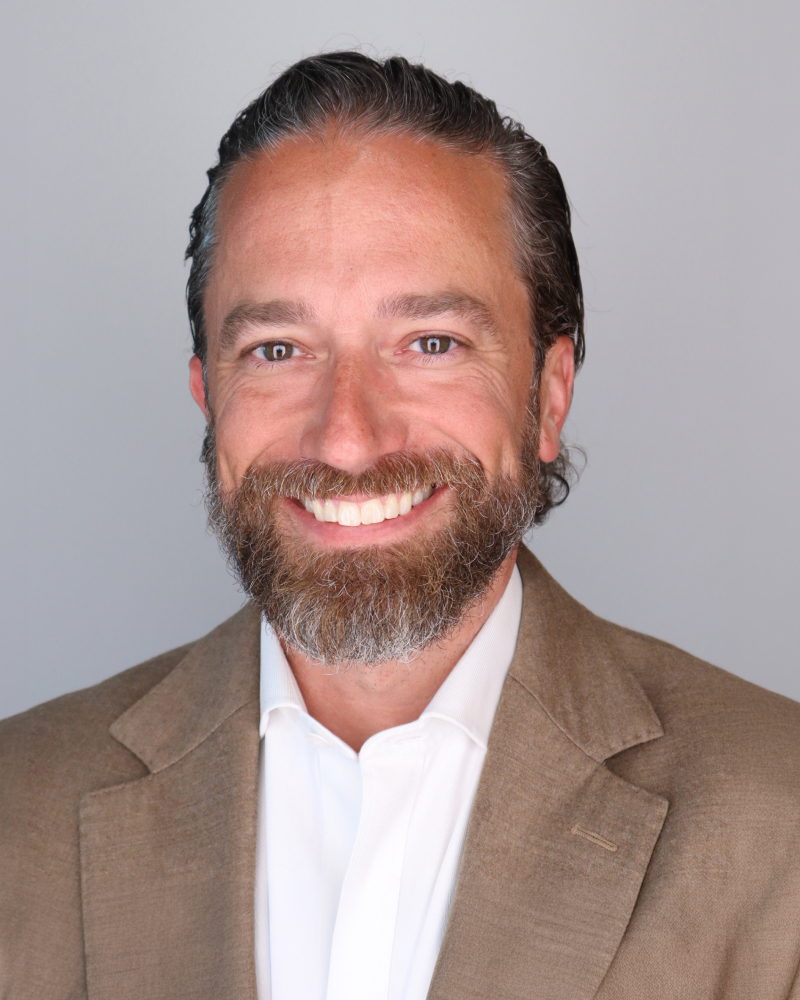
Adam Kronk
Director, DELTA Network
mkronk1@nd.edu
Meet Adam
Adam Kronk serves as director of DELTA, where centering the dignity of the human person is a throughline for his work. He has taught at the high school and college levels; led a small, independent, Catholic boarding school in rural Indiana; and earned a doctorate of education — focused on how organizations operationalize their values — from Vanderbilt University.
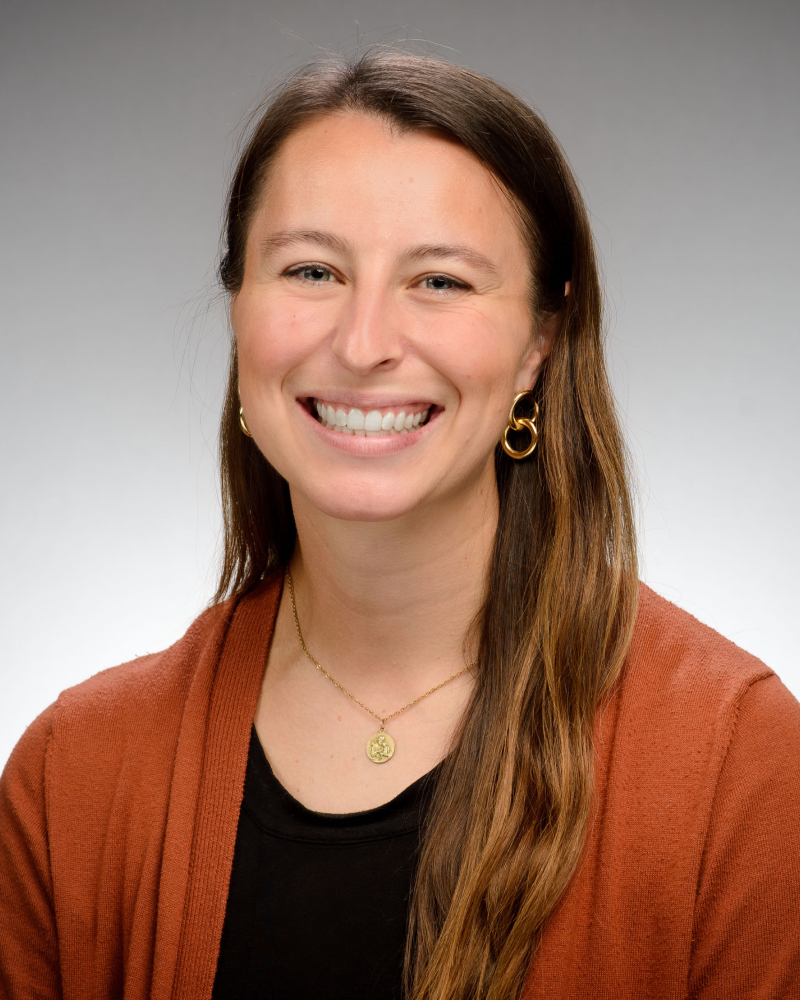
Julia Stull
Assistant DELTA Network Director, Education
jfrench5@nd.edu
Meet Julia
Julia is the Assistant Director of the DELTA network at the Institute for Ethics and the Common Good. In this role, she specifically oversees the education community of practice, striving to connect and support educators from K-12 and higher education bring DELTA to their communities.
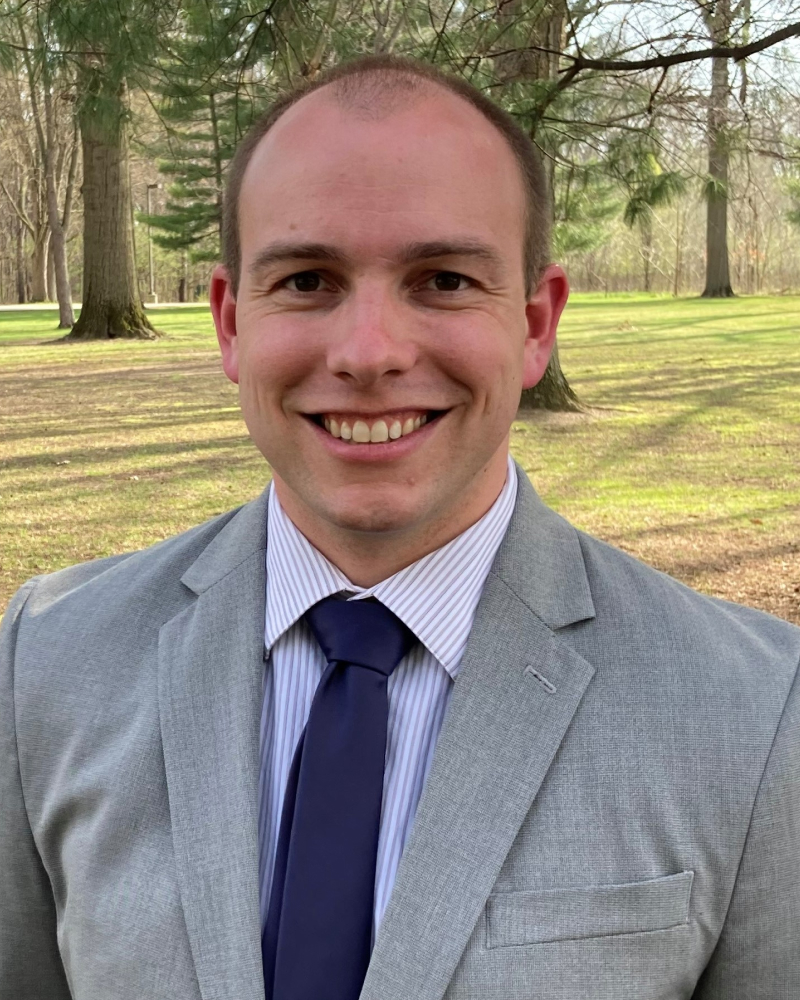
Patrick Schmadeke
Assistant DELTA Network Director, Pastoral Ministry
pschmade@nd.edu
Meet Patrick
In his role as Assistant DELTA Network Director, Pastoral Ministry, Patrick supports Christian leaders in pastoral ministry. This ranges from bishops to parish-level ministers and leaders in non-profit Christians organizations.

Michael Downs
Bay Area Program Director, Regional Engagement
mdowns@nd.edu
Meet Michael
Michael serves as Regional Program Engagement Director based in California’s Bay Area, where he helps to build the DELTA Network on the West Coast.
For media inquiries, please contact Hannah Heinzekehr, Senior Program Director of Engagement.
hheinzek@nd.edu
P: 574-631-1808